

Seven governments, one opening morning
Expo 2025 Osaka is the clearest test of building in Japan as a foreign client, repeated seven times in one season.
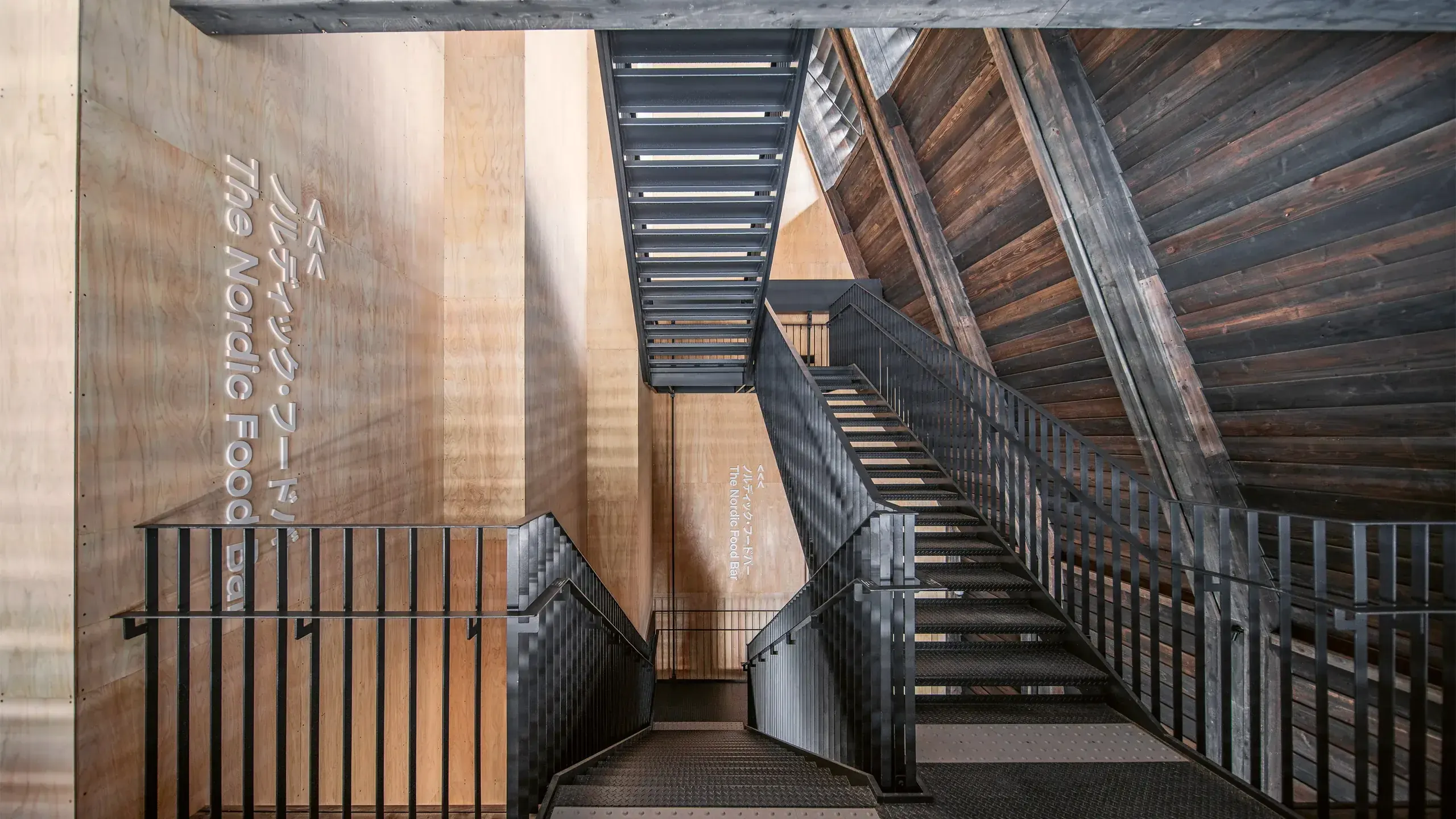
Seven participating governments each needed to build in Japan. None of them worked in the Japanese market. Each procured separately, through a different main contractor, to a different architect's design. Every one had the same opening date, and no extension was available to anyone.
One procurement team ran across all seven. All seven opened on 13 April 2025.
Why a fixed date changes the method
On an ordinary project, float absorbs uncertainty. Interfaces get resolved on site, long-lead items are released when the package completes, and a two-week overrun is recovered later.
None of that is available when the date is set by someone else years in advance. The strategy that works is to close interfaces before mobilisation and release long-lead items ahead of the package, so nothing waits on a decision that could have been taken earlier.
Four things that changed late
Design development running close to the opening date is normal on this kind of project, and on more than one of the seven the principal cladding element carried a three-month path against a programme with less than that left. Holding factory capacity open is what allows fabrication to start the day a design releases rather than join a queue behind it. Everything opened with the building.
On the Portugal Pavilion, a rope envelope of 9,972 elements weighed 55 tonnes on measurement. It was analysed as an independent structure and coordinated back into the frame.
A cork lining had no manufacturer and no fire certificate, and was taken through material development and national testing in three months.
After the Expo closed we took on removal, segregation, disposal and site reinstatement beyond our own pavilions.
What they had in common
In each case the response came before the instruction. Capacity was held, an alternative route was found, or a scope was taken on, because the date was the fixed point and everything else was negotiable around it.
A project that runs exactly to plan does not test a contractor. What a client is choosing is how the other kind gets handled, and that is difficult to demonstrate except by showing it.