

Public and institutional buildings
Public buildings are audited, occupied and permanent. The standard is not what the client will accept at handover, but what the building will still be doing in thirty years.
We build hospitals, clinics, childcare facilities, civic buildings, inspection facilities and defence projects, and we manage public infrastructure programmes from the owner's side: rail, airports, water and process, for ministries and funding agencies.
Two different roles, one requirement: work that will be examined by someone other than the client, to a standard that has to be evidenced rather than asserted.
What makes these difficult
The programme is governed by the operation
Work on an acute hospital or an operating public facility is phased around the service. Access, noise and handover sequence are set by the operation and are not negotiable against the construction programme.
Audit and procurement routes
Government and defence work runs through defined procurement routes, escorted access and audit standards. That is a way of working, not an administrative overhead, and it has to be set up before mobilisation.
Several parties, several languages
On funded infrastructure programmes the owner sits between a ministry, a funding agency and several international contractors working to different standards. Holding that together is the whole job.
Where we have done it
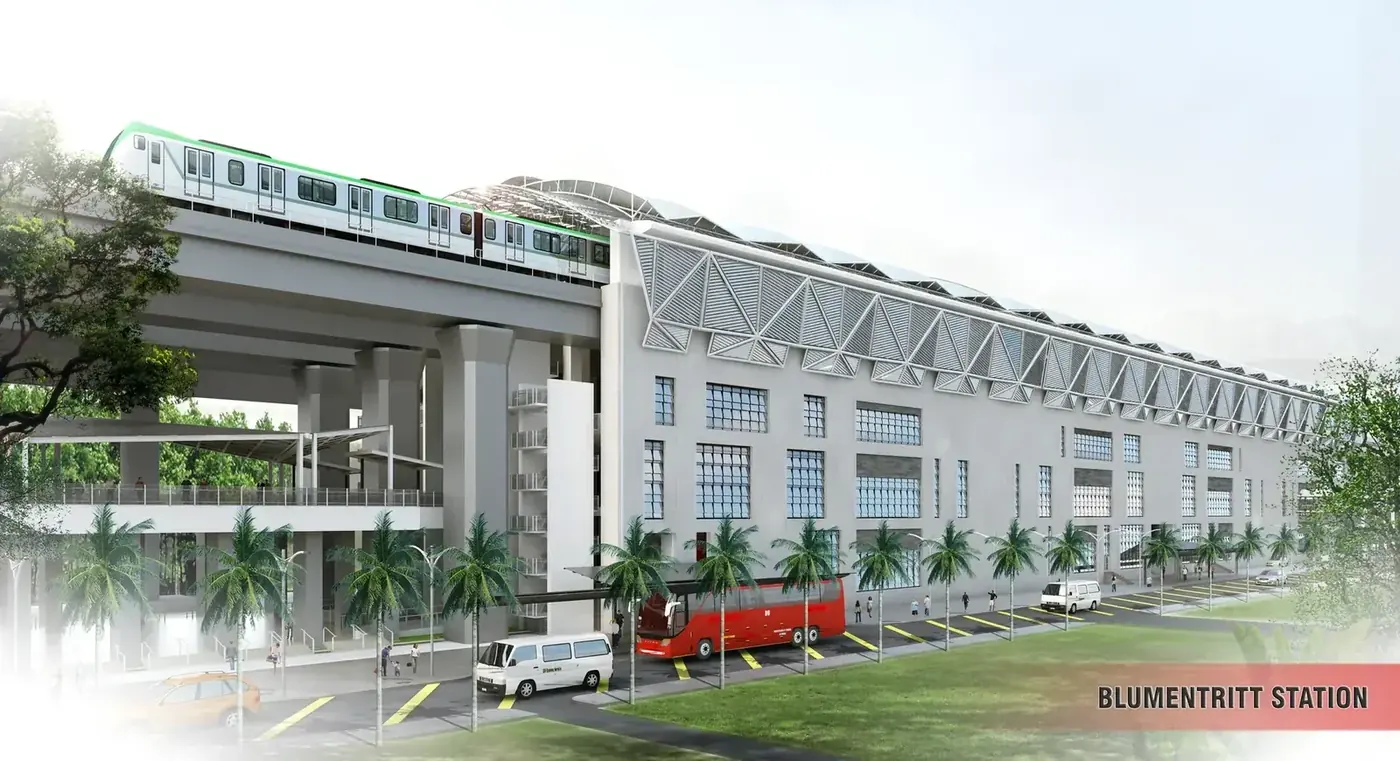
North–South Commuter Railway
One hundred kilometres and twenty stations, managed from the owner's side with staff stationed in country for the duration.
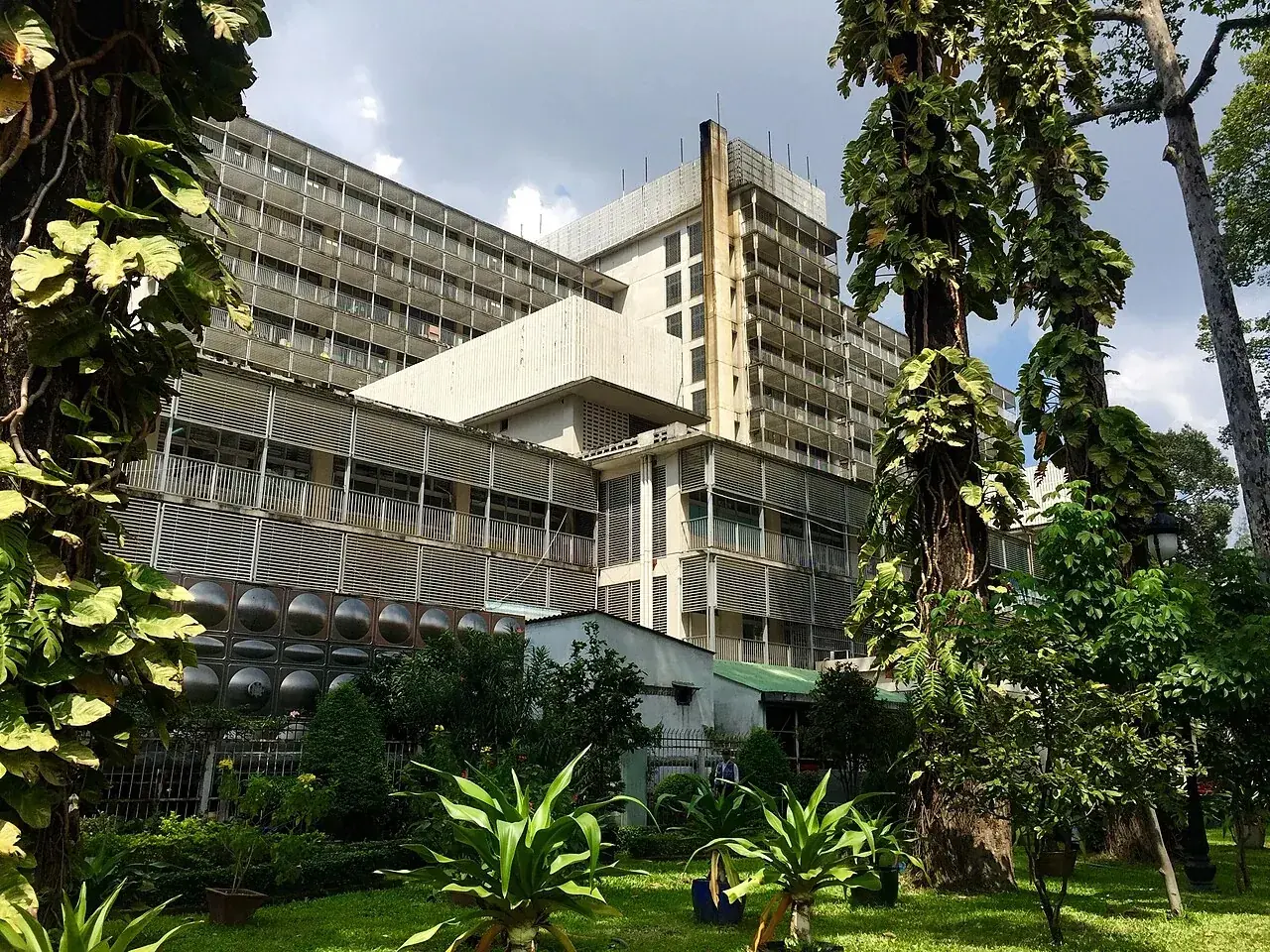
Cho Ray Vietnam–Japan Friendship Hospital
A hospital project in Ho Chi Minh City, delivered with Japanese involvement.
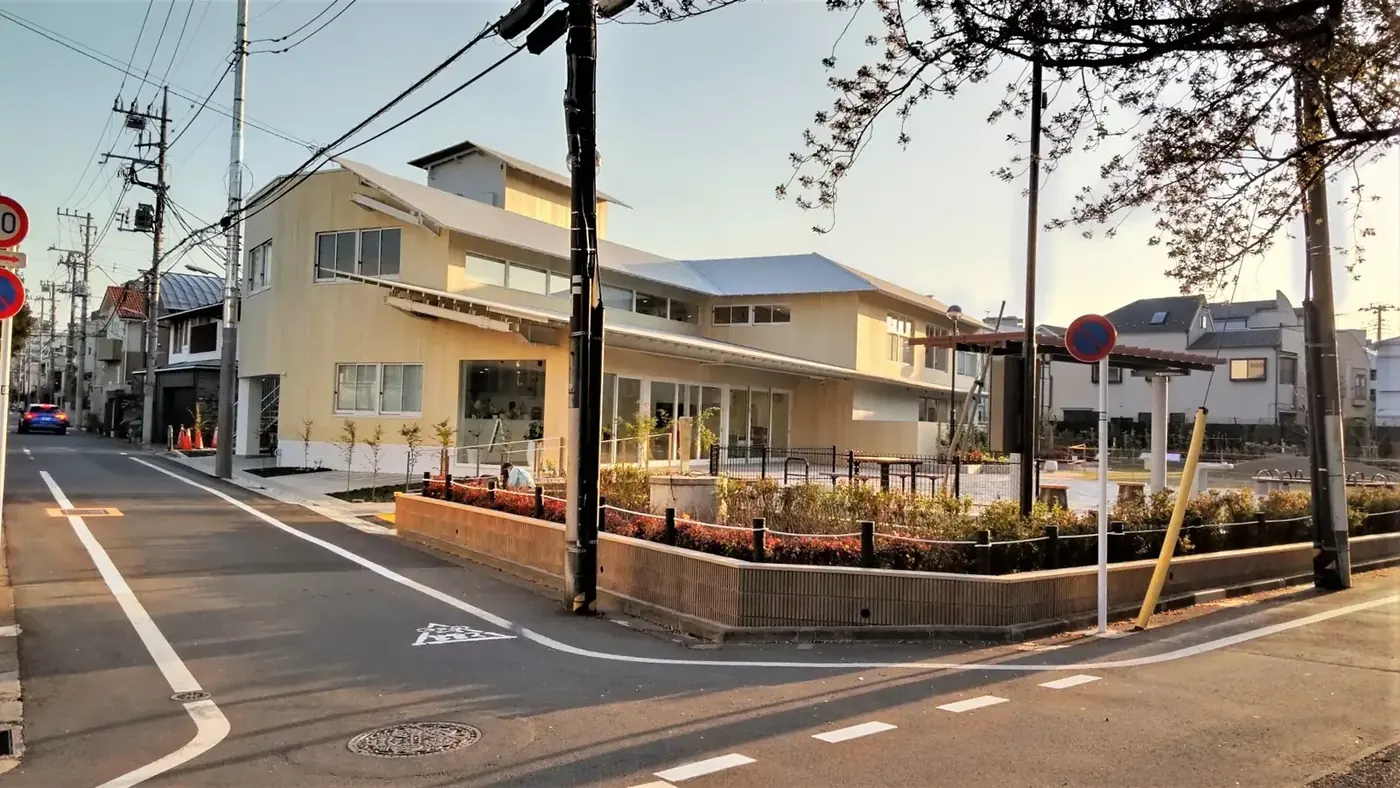
Himonya Park Nursery
A nursery inside Himonya Park, Tokyo.
Also in this area:Ishikari Biomass Power Plant, Yasugi Hakuai Clinic, Light Motor Vehicle Association Building, Sakyu Dunes Visitor Center.
Where this is available
Built in Japan. Managed from the owner’s side on major public programmes across Southeast Asia and the Gulf.