

When a structure carries plant, not people
Process buildings fail in a predictable way: they are designed as buildings, then asked to carry machinery.
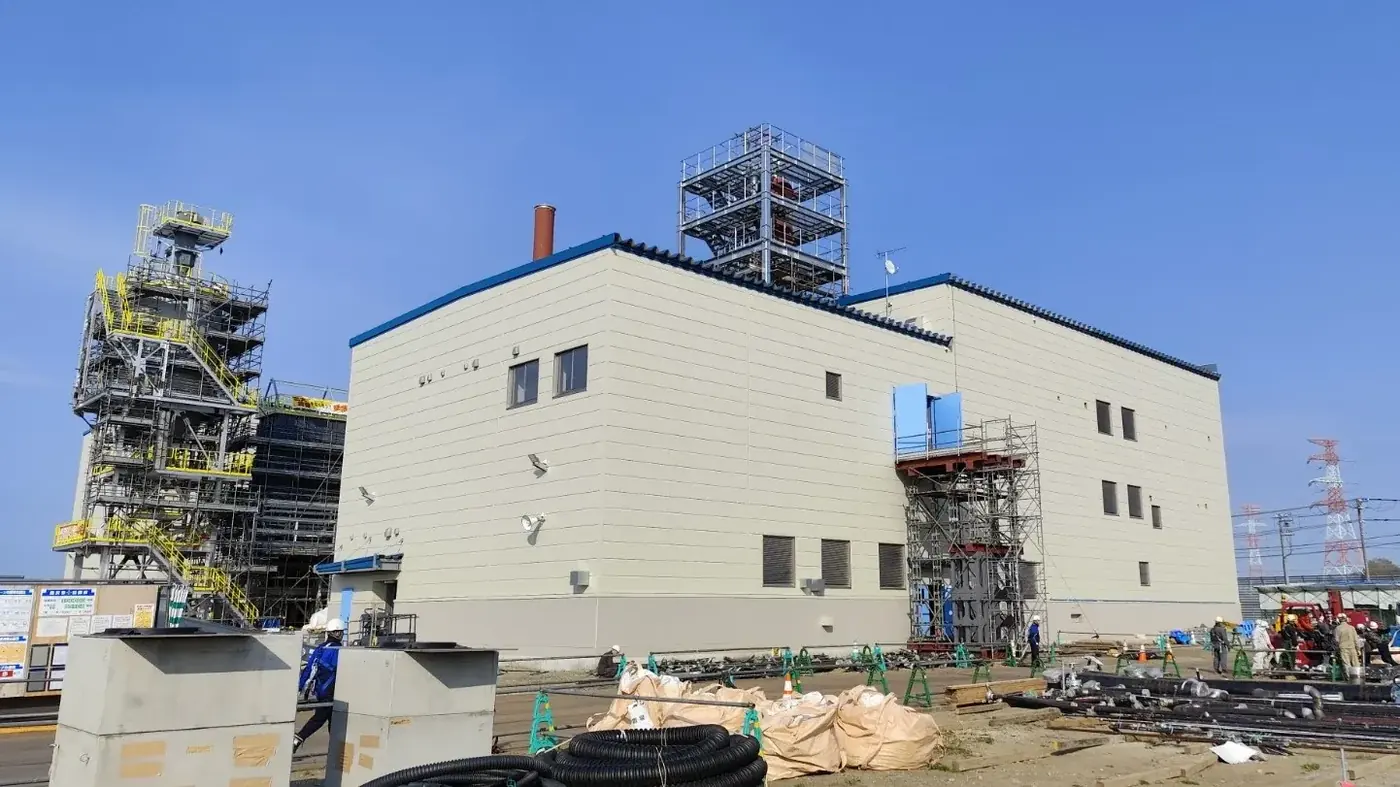
Why can a plant building not simply be a warehouse with the equipment installed afterwards? It is a fair question, and the answer is not obvious until you have seen the version where it was tried. The difference lies in what the frame is actually carrying.
Most structural design is driven by occupancy. Loads are distributed and static, movement is small, and the envelope defines the problem. Process facilities invert all three.
Loads that move
Rotating and reciprocating plant produces concentrated dynamic loads. Vibration paths have to be interrupted rather than absorbed, which is a decision made in the structural concept, not resolved later with isolation pads.
Support positions are fixed by the plant layout. When the layout arrives after the frame is designed, which is common, because equipment procurement often runs behind building design. The result is support where the process does not need it and none where it does.
Movement measured in tens of millimetres
Thermal movement across a process building is an order of magnitude larger than in an occupied one. It governs connection design and cladding detailing directly. Standard building tolerances do not apply, and applying them produces cracked cladding and failed joints within a few operating cycles.
The environment as a hazard to the building
Some processes attack their own building continuously. Composting produces heat, moisture and ammonia and does not pause for maintenance. Food production and cold chain create condensation risk at every junction between zones.
In this class of building, ventilation strategy, coating specification and connection detailing are one decision rather than three, made by one party. Split across a designer, a contractor and a specialist, they will be individually correct and collectively wrong.
The questions we ask first
What does the equipment weigh, where does it sit, and what does it do while running. What is the internal environment, and what does it do to steel. What has to keep working through a seismic event.
None of those can be answered after the frame is designed, which is why we ask them before anyone draws anything. On projects where the equipment package is still being tendered, that is an uncomfortable conversation to have early. It is considerably less uncomfortable than the alternative.